


Sirhornsalot
**The Official Horn Sports Landscaper and Landscap
- Joined
- Nov 6, 2013
- Messages
- 34,796
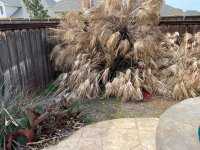
Winter storm leaves Texas landscape industry in crisis
In March’s column, I wrote about the landscape damage left behind by the unprecedented winter storm. The dead shrubs and plants and some trees will total in the hundreds of millions before we’re done. And since that March column, “unprecedented” is a word I’ve heard and used many times.
The landscape industry throughout Texas is experiencing unprecedented times. Everywhere we look, there are hurdles to overcome that are direct results from the winter storm.
I’ll start with plant stock. Inventories are stretched thin right now. Many of our “base shrubs” for landscapes are in short supply, leading landscapers to go with other types of shrubs, which are also now in short supply.
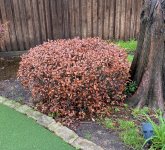
Indian Hawthorns were hit probably the hardest. This is a base shrub in our typical Texas landscapes. I had one customer who lost 70 of them. Only in the most rare of cases did we find any survivors. While not totally out at this point, Indian Hawthorns have become very hard to find. In many cases, landscapers were replacing with Sunshine Ligustrum, which are now also in low supply.
Because of this overwhelming demand, some stock is being released to nurseries well before their time. Some shrubs and other plants, if you find them, will be on the small side (size-wise) because of this.
Growers are predicting that, at this rate, some species will depleted in inventories altogether, at least until next spring.

As one might expect, many landscapers saw the crisis coming and bought up large amounts of plant stock. There are literally landscapers trading back and forth with plants and shrubs to fulfill orders right now. On the retail nursery side, some landscapers are turning to them to fill their orders, so consumers are now competing with that at the neighborhood nurseries.
Plants that are becoming increasingly hard to find right now include all of the traditional Palms we plant in Texas, Lorapetalums, Indian Hawthorns, Pittisporums (and Variegated Pittisporums), and Sunshine Ligustrum. These are base plants with which many landscapes are built on.
Trees and plants with the word “Japanese” in its name were successful in coming out of the storm. It tends to be colder in Japan than Texas. Hollies of all kinds, junipers, yaupons, and boxwoods made it through in good shape for the most part.
Trees so far have not been affected so much. Supplies are good. Storm casualties are few.
Thats the plants, lets move on . . .
Concrete
When the winter storm hit, it knocked many of the cement plants out of commission, with lines that froze and busted. Repairs were delayed because the storm lasted several days. This has caused a shortage of concrete and cement in the DFW area.
About a month ago, sales for concrete were shut down throughout the Metroplex at the end of day on a Thursday, affording the concrete plants some time to build up material before reopening supply lines the following Monday. This caused a ripple effect throughout the area with landscape contractors who had empty forms standing for a week. Since then, prices have been climbing.
Lumber
Lumber mills were affected as well, thus we now have shortages and outrageous prices.
A carpenter I often use placed an order totaling $1,000 from an estimate back in mid-February. In April, the customer decided to proceed. When this carpenter went to fill the order, that $1K order was suddenly $1,800.
Needless to say, prices have gone up dramatically.
How did a storm that lasted roughly a week cause so much chaos in the market here? Most of the problem was timing. This winter event happened right before the traditional spring season, which is when a vast majority of the plants are sold each year. Combine this with a sudden need to replace dead plant material on a vast scale – you have a crisis.
Nurseries are adapting, locating new sources further away just to find certain plants. This will ripple in those areas as well. But for the moment, I know the wholesale nurseries have extremely long lines each and every morning. Some orders take five hours to fill and load, adding additional stress to the industry.
When will it end and things get back to normal? Thats a question we’re all having a tough time answering right now. One nurseryman I know tells me that the amount of stock he expects to have by end of summer will be disappointingly minimal.
Oddly, other sectors of the landscape industry are clicking along as normal. Stone supplies are good. Mulch is plentiful.
This Spring has certainly started off cool so far. Forecasters are predicting the season’s first 90-degree temperatures this week before another cool front moves in. Once our temperatures start pinging the 90s like that on a regular basis, plants will grow faster, lawns will grow faster, the landscape becomes happy.
Grub Worms
Late May and into June is the general time frame where grub worms, climbing from six inches deep in the soil, begin feeding on the roots of your turf grass. They can literally eat a lawn up, from the underneath where you don’t see them.
Put down a granular grub control and water it in as soon as you apply it. You may want to re-apply again two weeks after the first application to make sure you get them.
Grub worms, besides eating the roots of your turf grass, are a favorite in the diet of gophers and moles. So their presence will causes mole runs in your lawn. Knocking them out will put an end to that.