


Sirhornsalot
**The Official Horn Sports Landscaper and Landscap
- Joined
- Nov 6, 2013
- Messages
- 34,237
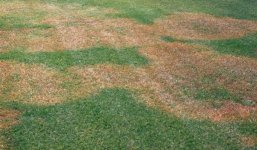
Keep Your Lawn Fungus-Free!
October is when lawn fungus steps up as the next issue to avoid
It’s been a rough, rough year for the lawns this season. The rains were less than expected in spring, the 100 degree heat began in June instead of July. Then we had to address the onslaught of Chinch Bugs that began a march across the state, leaving historical damage in their wake.
Now October is here, what could possibly be next?
To be sure, there is a threat that we need to discuss that begins in late September and throughout October. It is called lawn fungus and it’s damage can be significant. The good news is that we can prevent and defeat fungus.
Why do we have to worry about this in October?
October and late September are when Texas temperatures begin to cool. Our days are shorter, our nights are longer. Things are changing. So we must change with it to avoid developing our own lawn fungus problems.
Remember we were watering at night throughout June, July and August. On Labor Day, that should have changed back to morning waterings. This will help avoid fungus. Start you’re cycles at either 6 or 7 am. That way, the turf and landscape can dry out somewhat before nightfall. You should continue with this starting time throughout the Fall, Winter and early Spring.
We should also change the setting of our mowers, dropping the blade one notch. Cooler weather slows down growth so mowing shorter will allow more sunlight to hit and warm the soil surface. This will keep your grass greener and growing deeper into Fall. It will also help prevent fungus from forming.
We should also reduce our run times on our sprinkler control panels. When temperatures are in the 80s like they are now, 15 minutes twice a week is sufficient. If you’re watering 15 minutes on the south side of the home, reduce to 7 minutes in the shady areas on the north side of the home. The sun is lowering in the sky so the north side of the home will have abundant shade now.
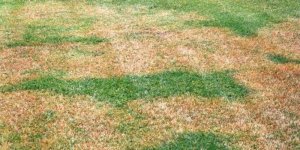
What does fungus look like?
There are several types of lawn fungus but the most common are Brown Patch and Take-All Patch. We also see Dollar Spot fungus here. You can recognize an area under fungus attack by seeing the symptoms, such as dying/yellowing, lethargic turf that does not improve with watering and seems to get worse. It will almost always be in a circular shape which gets larger with time. Dollarspot will show up as yellowing blades with brown spots.
How does fungus form?
As nights get longer and cooler, days get shorter and milder, the conditions come together for fungus to emerge. A lot of people fertilize this time of year at regular ratio/strength which is not good. The nitrogen in fertilizer enhances the conditions for fungus. It’s like gas to a fire. This is why I always recommend dialing down the ratio for the late summer application which should be done in late August.
What do I do to stop a lawn fungus?
There are lots of products on the market that work to kill lawn fungus. Eagle 20W is one of the best. Spectracide’s Immunox is an effective product and available on the retail market. Fertilome’s F-Stop is also an excellent product. Simply follow the directions on the label. Fungicides are fairly harmless products but caution should still be taken to avoid contact with eyes/mouth/nose.
A second application may be needed after two weeks from the first application.
You may also try applying a good compost to the areas as the enzymes in compost will feed on the fungus.
So what then? Will the affected areas in my lawn grow back?
We are now in fall and the chances of you seeing those holes filled back in are slim. Turf grass is preparing to go dormant now with the lower night time temperatures really forcing the change. Grass grows much slower now and is less aggressive in spreading. So our goal in all of this is to reduce damage as much as possible so there are not so many places to recover in spring.

Sod Web Worms
Another insect critter we must keep an eye out for during the Fall season is the Sod Web Worm. These guys start becoming a problem in late September and can cause damage in your turf. There are two main ways of recognizing their presence in your lawn.
1. As you walk through your turf, you will see little white moths fly up as your feet move through the grass. These are the moths that lay the larvae that becomes the Sod Web Worms.
2. As you look at your turf, you will see what looks like small holes in your turf, about the size of your index finger in width. This is where the sod web worm gets its name – these holes are lined with grass thatch the worm spins to the surface of the soil, below. He lives there during the day and comes out at night to feed on the turf.
The protection they get from hiding beneath their thatch web makes it particularly difficult to kill them with a spray during the daytime. You must either use a granular version of Bifenythryn and turn the sprinklers on as the worms come out at nightfall – or – spray at night. The granular version is the easiest and most effective.
Eradication can be difficult. The moths I mentioned above can fly from house to house. So even after you think you’ve got rid of them, you must still continue to monitor your lawn for re-infestation. You can make things easier by discussing the problem with your neighbors so that each source can be eliminated and thus more effectively ending the problem.

Fall/Winter Flowers!
October is the month we plant the Pansies and Kale for our Fall/Winter color. You may also enjoy Mums this time of year as well.
The Pansies will be on the shelves the first week of this month. It is important that you get them planted as soon as you can as they rely on the warmth of this month to grow their roots. This gives them size and more opportunities for more blooms. So to have that impressive display you really want, get it done the first half of this month!
Remember, Pansies do not like to stay wet, so plant them in a light, airy planting mix elevated slightly above the surrounding soil level so that they drain well. Pansies like water, but they like to dry out between the waterings.
Plant a Tree!
The months of September/October/November are the best months of the year to plant a tree. Planting one now insures it will have ample time to get acclimated before it takes on the heat of next summer! If you’re not sure what type of tree to plant, consult with your landscaper for a good type and also location.
Tree Trimming
If you’re going to have your tree(s) trimmed, your window of opportunity is narrowing. We want to trim them while they still have their leaves on, so that we can better see the dead limbs that need to be removed. It also helps a trimmer keep a good shape to the tree.