

Sirhornsalot
**The Official Horn Sports Landscaper and Landscap
- Joined
- Nov 6, 2013
- Messages
- 34,365
Rain totals have Texas landscapes in good shape right now
Welcome to July! I’ll start this column off by reviewing where we are as we go into July.In our region it is important to keep up with how things are, weather-wise. It affects our growing and our projects.
For the past seven to eight years, our Junes have been a bit lackluster, dry and hot, as has some of our Spring seasons as a whole, precipitation speaking.
This year, rain has been plentiful in the past two months, exceeding monthly averages. Temperatures have been relatively cool, exceeding 100 only once so far. Our lakes are full, our rain barrels are full, things are looking up.

Take a look at the roadsides. They are still very green. That will probably change as we go deeper into July and the rain slows down. But going in, we’re in good shape.
In May, we received 5.5 inches of rain just north of DFW Airport. In June, that went up to 6.25 inches. We’re usually slowing down in June but it literally picked up instead.
Year to date, we’ve received 23.60 inches of rain compared to the year to date average of 20.69 inches. Again, we’re ahead of the game halfway through the year. Our gardens are green and colorful!
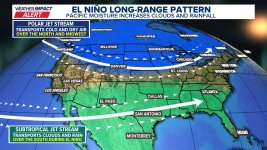
North Texas is affected, from time to time, by hurricanes that run into the Texas coast. The typical pattern that affects us is when they enter at Corpus Christi or further south and swing up through Central Texas before entering the Metroplex. This could be one of those summers as meteorologists are calling for an impactful El Niño to form the latter half of the summer.
This could mean North Texas will have more rainfall that usual, or it may mean we become dry and hot. That has yet to be determined but stay tuned.
The rainfall is a huge benefit. Rain water carries with it extra molecules of oxygen and nitrogen. The extra oxygen allows plants to absorb more nutrients. The extra nitrogen is what provides the big green up after a rain event.
This is why there is such a difference in how a landscape looks days after a good rain as opposed to sprinklers (tap water). Tap water does not have those extra molecules of oxygen and nitrogen.
Dealing With July in the Landscape
Below I will explain some things you can do to help your lawn and landscape be not only resilient, but perform better. Remember, people can become miserable in high heat, but for plants, this is their time to shine. All they need is a little help from us.
1. Make sure your mower blade(s) are sharp. A sharp blade cuts the grass cleanly, allowing for quick recovery by the grass plant. But if the blade is dull, the blade will tear the grass blades and more or less causes a wound. This can send a lawn into stress and with stress comes the predator insects like Chinch bugs.
2. After a mow, make sure to water afterward or that evening. This will accelerate the healing of the grass plant. If not, the ends of the blades will fray and burn by the next day’s heat.
3. Start your watering cycles at night. With a sprinkler system, start your cycles at 10 p.m. or 11 p.m. Doing this allows 8-9 hours of the water and plant to be together. The plant will have ample time to absorb more water, which in turns makes them more resilient in the heat.
If you manually water, just start when the sun starts to go down, or even when shade begins dominating the lawn in the late afternoon.
We will change that starting time back to a morning start during the Labor Day Holiday in early September. But for now, start it in the evening.
4. Allow your lawn to get higher. Lift the mower blade to a setting that gives you a 4” turf. This is essential as the higher turf protects the soil below from drying out so fast in between waterings. Cutting a lawn short in high heat is almost a death sentence. So for July and August, keep the blade high and you’ll experience a greener, healthier lawn.
Cutting back on the mowing to twice a month for July and August is also a good idea. Just make sure when you cut the lawn that you’re not cutting more than an inch of the top of the turf.
5. Got some bare spots? Cast some Cotton Bur Compost to completely cover the bare spots. Water lightly as to not cause the compost to wash away. Each time water passes through the compost, it creates a “tea” that is able to get down into the root zone. This makes for a healthier, more drought tolerant turf, plant, shrub or tree.
6. Maintain your lawn equipment. I was once called to investigate a lawn issue whereby thin strips of turf were turning brown and dying. After much though, I asked to see the homeowner's lawnmower. He let me examine his mower. I found a significant oil leak. The mower was spitting oil as the mower went through the lawn. The spitting was what caused the strips of brown in the lawn. This can be avoided with regular maintenance of the mower.
Watering in July
Now that we’re in July, we should redo our sprinkler settings. First, change your start times to evening starts, such as 11 p.m. at night. This will allow your water to spend more time benefitting your plants and turf as opposed to morning waterings where there’s an hour or two before the sun starts the evaporation process.
You may have read somewhere, or was told by someone to not water at night because it causes fungus in turf. Whoever is saying this is not referring to Texas. Here in Texas, our nights are very warm. Fungus wants dark, damp, cool conditions, which doesn’t exist during June, July and August. In Texas, we have nightly lows in the upper 80s for weeks at a time.
You should be watering three days a week right now, since we’re into the 90s daily again. Once we get 100 degree temperatures, we’ll want to move to four days a week.
I realize some of you live in communities with water restrictions. But remember you do have an investment to protect. Don’t sit and watch it burn up.
When we arrive at the Labor Day holiday on Monday, Sept. 4, we will switch back to morning waterings so that we can stave off fungus issues as the weather becomes cooler and nights become longer.