


Sirhornsalot
**The Official Horn Sports Landscaper and Landscap
- Joined
- Nov 6, 2013
- Messages
- 34,677
10 things to do in the landscape in December!
With Christmas coming up this month, some folks might think there’s nothing really to do in their landscapes this month. That’s not true at all.
There is plenty of things we must attend to this month and I will list them in this column.
Speaking of Christmas, there is a lot of connection between the holidays and the landscape. For example, Mistletoe grows on many varieties of trees, namely the Cedar Elm here in North Texas. One Christmas tradition is to hang the mistletoe in a doorway from the ceiling. When your love walks under it, she has to kiss you.
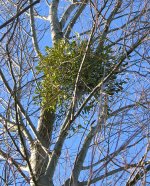
Mistletoe is actually a parasitic plant, meaning that it attaches itself and grows on a host plant. It feeds on the tree, using its moisture and nutrients. Once mistletoe is growing in the host tree, the tree will experience a stunted growth and loss of infested outer branches. If infestation continues, it will kill the tree.
So removing the Mistletoe from the tree is a positive thing for the tree. You can find it by scanning the tree canopies which have lost their leaves. The only thing you will see green in the canopies will be Mistletoe.

The most popular landscape/Christmas connection is the beautiful Poinsettia plant with its large, bold red blooms. They really set off the home and it’s Christmas decor.
Poinsettias are native to a small area in southern Mexico on the Pacific coast. They are grown commercially in nurseries and plant farms. They should be kept inside because they do not respond well to our freezing temperatures here in North Texas.
Another Christmas tradition includes the hanging of wreaths over front doors and other locations. The wreaths are often made from Pine or Spruce. Garland also is created from the same Pines and Spruces, depending on where you live in this country.
Even the Christmas tree is an outdoor/landscape connection. Through early times, people made use of the resources around them, including the Christmas tree which in North Texas would have likely been an Eastern Red Cedar tree which are native here.
This Month’s List
Now, on to those December landscape duties . . .

1. Remove leaves from the lawn and beds. This will prevent suffocation of the turf due to limited oxygen and sunlight. Leaves can also cause fungal diseases. You can mulch your leaves using a mulching mower and raking the the cut up leaves into the turf. If you are not composting your leaves, you can likely find a neighbor who does. And they probably would be glad to take your leaves for their compost.
2. Trim shrubs, removing any damaged, broken or dead branches.
3. Clean out flower beds. Remove dead matter from perennial plants and trim other perennials back. Add mulch to your beds. Three inch thickness is preferred.
Winter Protection

4. Wrap any Palm trees you have, using burlap and wrapping the trunks. Large fronds on Palm trees can be tied together using twine which will help support them during winter precipitation.
5. Wrap and/or cover some shrubs in your landscape. Some shrubs do fine without protection, such as the hollies and even roses. But others, such as variegated Pittisporums, Indian Hawthorns, etc, should be covered prior to arrival of winter storms. Use a “freeze cloth” as it is made for this purpose. Using plastic to cover the shrubs can cause damage.
6. Continue watering. Winter can be tough on landscape plants because it can be deceptively dry. Wind is a major contributor to drying out the soil, combined of course with a lack of rainfall. Keep your sprinkler system watering at least once a week. This helps to protect your plants (wet soil is harder to freeze than dry soil) and also help support your home’s foundation.
Maintenance Items
7. Use this time to make maintenance on your landscape equipment, such as lawn mowers, edgers, weed eaters and blowers. You can add a winterizing product to your equipment’s gas so that any water or condensation trapped in the reservoirs will not freeze. Change spark plugs, clean or replace filters, so that your equipment will be ready to go when you need it.
8. Clean out your bird feeders and bird houses and make any necessary repairs. Hummingbird feeders should be emptied and washed out. Store until Spring to protect them from the elements. Once you’ve cleaned out the bird house(s), you can go ahead and hang those back up as birds will arrive in early spring to find their nesting places.
9. Have your sprinklers checked for operational soundness, making sure there are no line breaks or busted heads that would become an issue in freezing weather.
10. Cover your spigots! Water supply for hand watering must be protected, for not only its use, but to protect your home’s water supply and possible damage from a broken water pipe inside the wall of your home. Spigot covers are inexpensive but perform an important function for us.
With Christmas coming up this month, some folks might think there’s nothing really to do in their landscapes this month. That’s not true at all.
There is plenty of things we must attend to this month and I will list them in this column.
Speaking of Christmas, there is a lot of connection between the holidays and the landscape. For example, Mistletoe grows on many varieties of trees, namely the Cedar Elm here in North Texas. One Christmas tradition is to hang the mistletoe in a doorway from the ceiling. When your love walks under it, she has to kiss you.
Mistletoe is actually a parasitic plant, meaning that it attaches itself and grows on a host plant. It feeds on the tree, using its moisture and nutrients. Once mistletoe is growing in the host tree, the tree will experience a stunted growth and loss of infested outer branches. If infestation continues, it will kill the tree.
So removing the Mistletoe from the tree is a positive thing for the tree. You can find it by scanning the tree canopies which have lost their leaves. The only thing you will see green in the canopies will be Mistletoe.
The most popular landscape/Christmas connection is the beautiful Poinsettia plant with its large, bold red blooms. They really set off the home and it’s Christmas decor.
Poinsettias are native to a small area in southern Mexico on the Pacific coast. They are grown commercially in nurseries and plant farms. They should be kept inside because they do not respond well to our freezing temperatures here in North Texas.
Another Christmas tradition includes the hanging of wreaths over front doors and other locations. The wreaths are often made from Pine or Spruce. Garland also is created from the same Pines and Spruces, depending on where you live in this country.
Even the Christmas tree is an outdoor/landscape connection. Through early times, people made use of the resources around them, including the Christmas tree which in North Texas would have likely been an Eastern Red Cedar tree which are native here.
This Month’s List
Now, on to those December landscape duties . . .
1. Remove leaves from the lawn and beds. This will prevent suffocation of the turf due to limited oxygen and sunlight. Leaves can also cause fungal diseases. You can mulch your leaves using a mulching mower and raking the the cut up leaves into the turf. If you are not composting your leaves, you can likely find a neighbor who does. And they probably would be glad to take your leaves for their compost.
2. Trim shrubs, removing any damaged, broken or dead branches.
3. Clean out flower beds. Remove dead matter from perennial plants and trim other perennials back. Add mulch to your beds. Three inch thickness is preferred.
Winter Protection
4. Wrap any Palm trees you have, using burlap and wrapping the trunks. Large fronds on Palm trees can be tied together using twine which will help support them during winter precipitation.
5. Wrap and/or cover some shrubs in your landscape. Some shrubs do fine without protection, such as the hollies and even roses. But others, such as variegated Pittisporums, Indian Hawthorns, etc, should be covered prior to arrival of winter storms. Use a “freeze cloth” as it is made for this purpose. Using plastic to cover the shrubs can cause damage.
6. Continue watering. Winter can be tough on landscape plants because it can be deceptively dry. Wind is a major contributor to drying out the soil, combined of course with a lack of rainfall. Keep your sprinkler system watering at least once a week. This helps to protect your plants (wet soil is harder to freeze than dry soil) and also help support your home’s foundation.
Maintenance Items
7. Use this time to make maintenance on your landscape equipment, such as lawn mowers, edgers, weed eaters and blowers. You can add a winterizing product to your equipment’s gas so that any water or condensation trapped in the reservoirs will not freeze. Change spark plugs, clean or replace filters, so that your equipment will be ready to go when you need it.
8. Clean out your bird feeders and bird houses and make any necessary repairs. Hummingbird feeders should be emptied and washed out. Store until Spring to protect them from the elements. Once you’ve cleaned out the bird house(s), you can go ahead and hang those back up as birds will arrive in early spring to find their nesting places.
9. Have your sprinklers checked for operational soundness, making sure there are no line breaks or busted heads that would become an issue in freezing weather.
10. Cover your spigots! Water supply for hand watering must be protected, for not only its use, but to protect your home’s water supply and possible damage from a broken water pipe inside the wall of your home. Spigot covers are inexpensive but perform an important function for us.